Feedback & Forgetting
How learning actually works — sourced, replicated, recomputed.
Studies of how people learn and remember, pick up languages, come up with ideas, persuade one another and get caught in feedback loops, each claim traced to its paper and tagged for how well it has been replicated. The forgetting here is the everyday kind measured in memory experiments; nothing on this site is a medical judgment.
Evidence Hubs
The long reads the rest of the site links back to.
-
Evidence hub
Learning & Memory
Spaced Repetition: Should Review Gaps Grow? Studies Disagree
Picture credit
Illustration: Feedback & Forgetting. Generated schematic illustration — not a photograph or historical record. © Feedback & Forgetting, all rights reserved.
-
Evidence hub
Learning & Memory
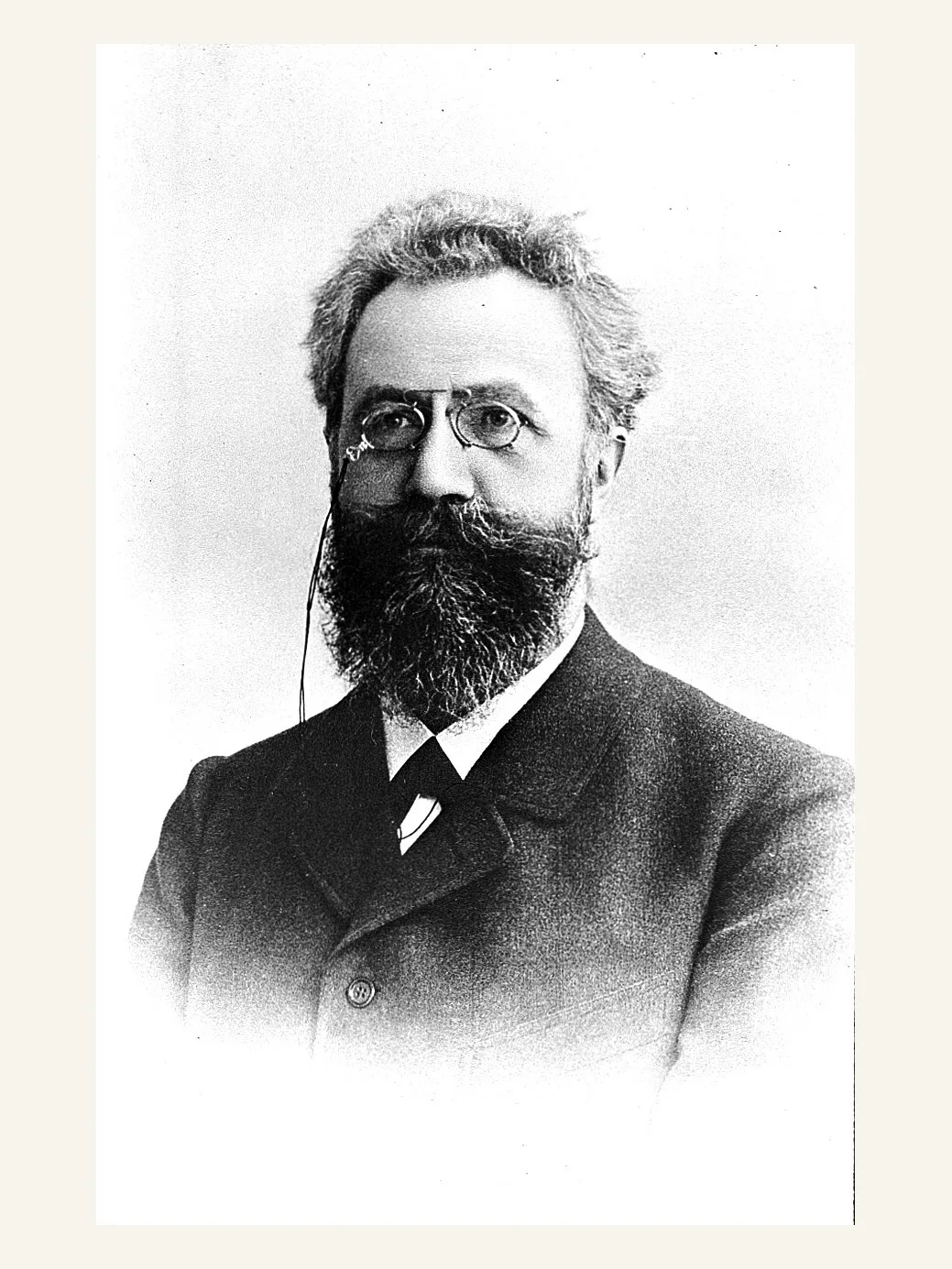
Forgetting Curve: It Measured Relearning, Not Recall
Picture credit
"Zeitschrift fur Psychologie, 1909: Herman Ebbinghaus" by Wellcome Collection — https://commons.wikimedia.org/wiki/File:Zeitschrift_fur_Psychologie,_1909;_Herman_Ebbinghaus._Wellcome_L0003734.jpg — CC BY 4.0 (https://creativecommons.org/licenses/by/4.0/); modifications: cropped mount, padded
-
Evidence hub
Learning & Memory
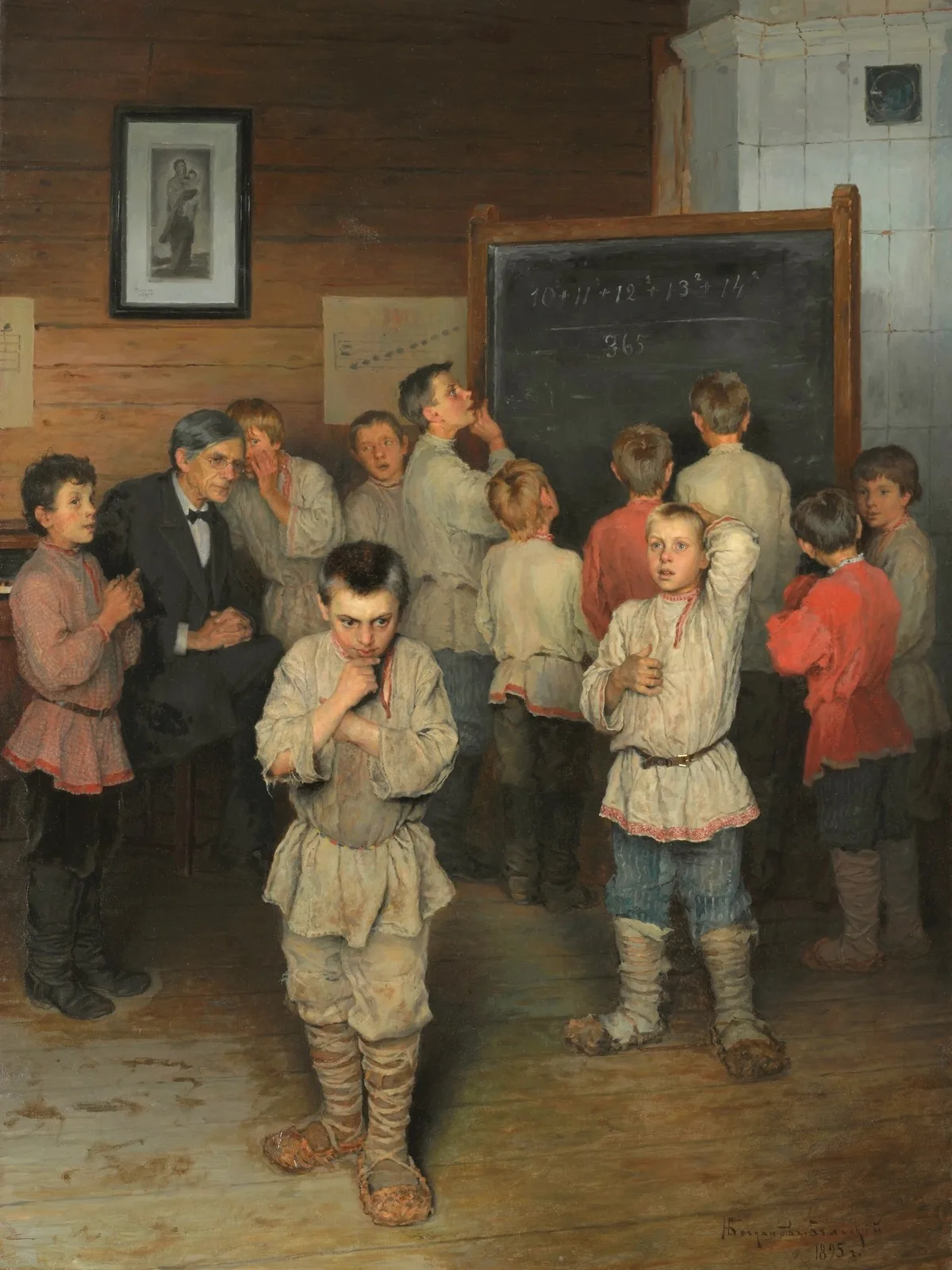
Active Recall: Quizzing Beat Rereading Later in a 2006 Study
Picture credit
"Mental Arithmetic. In Public School of S. A. Rachinsky" by Nikolay Bogdanov-Belsky — https://commons.wikimedia.org/wiki/File:Bogdanov-Belsky_Ustny_Schet_(Tretyakov).jpg — Public domain (PD-Art; painter d. 1945 (EU: from 2016; US: published before 1931, per the Commons file page)); modifications: cropped
-
Evidence hub
Learning & Memory
Learning Myths and Neuromyths: Some Began as Real Findings
Picture credit
Illustration: Feedback & Forgetting. Generated schematic illustration — not a photograph or historical record. © Feedback & Forgetting, all rights reserved.
-
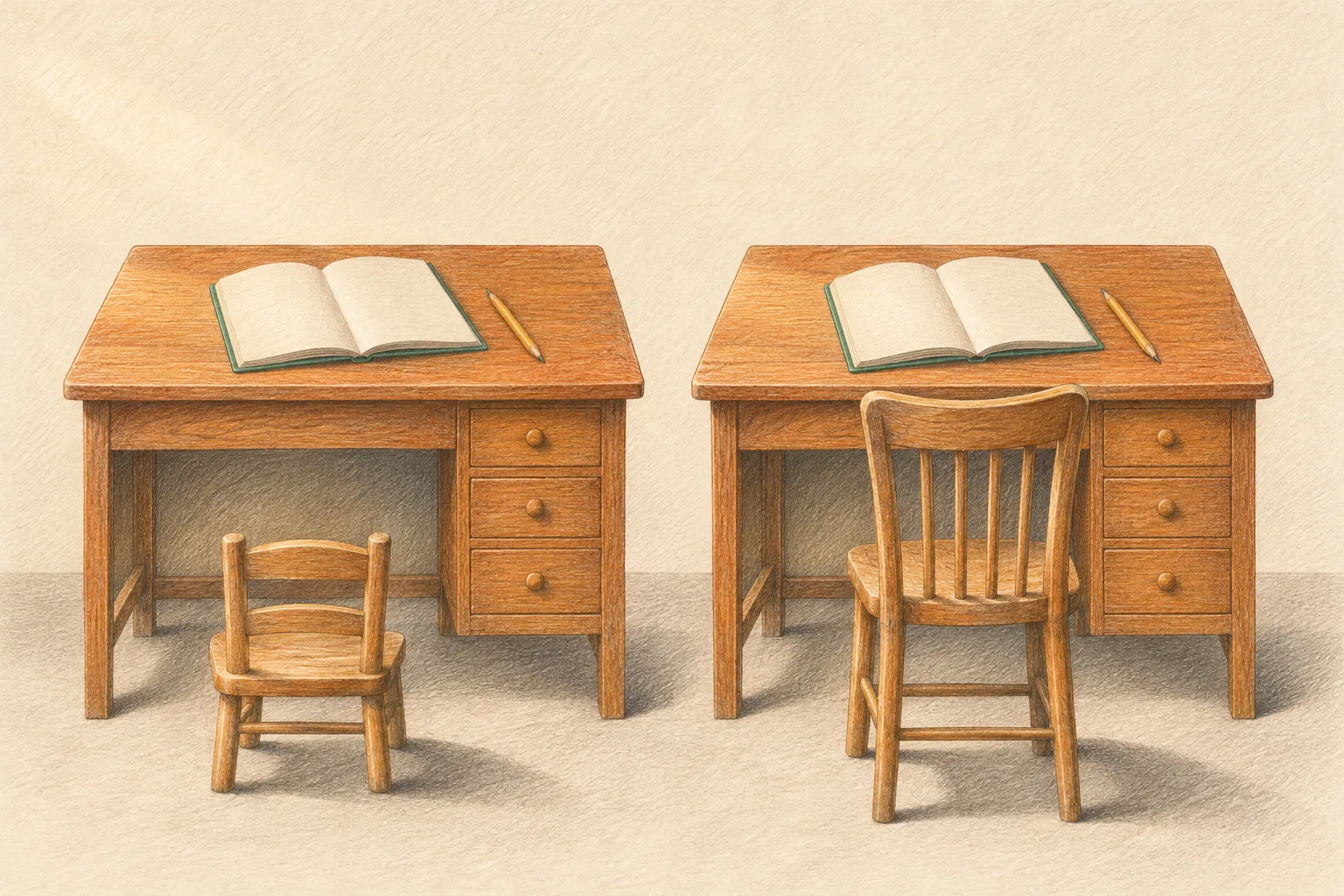
Evidence hub
Language Minds
Critical Period Hypothesis: Does Grammar Learning Ebb at 17?
Picture credit
Illustration: Feedback & Forgetting. Generated schematic illustration — not a photograph or historical record. © Feedback & Forgetting, all rights reserved.
-
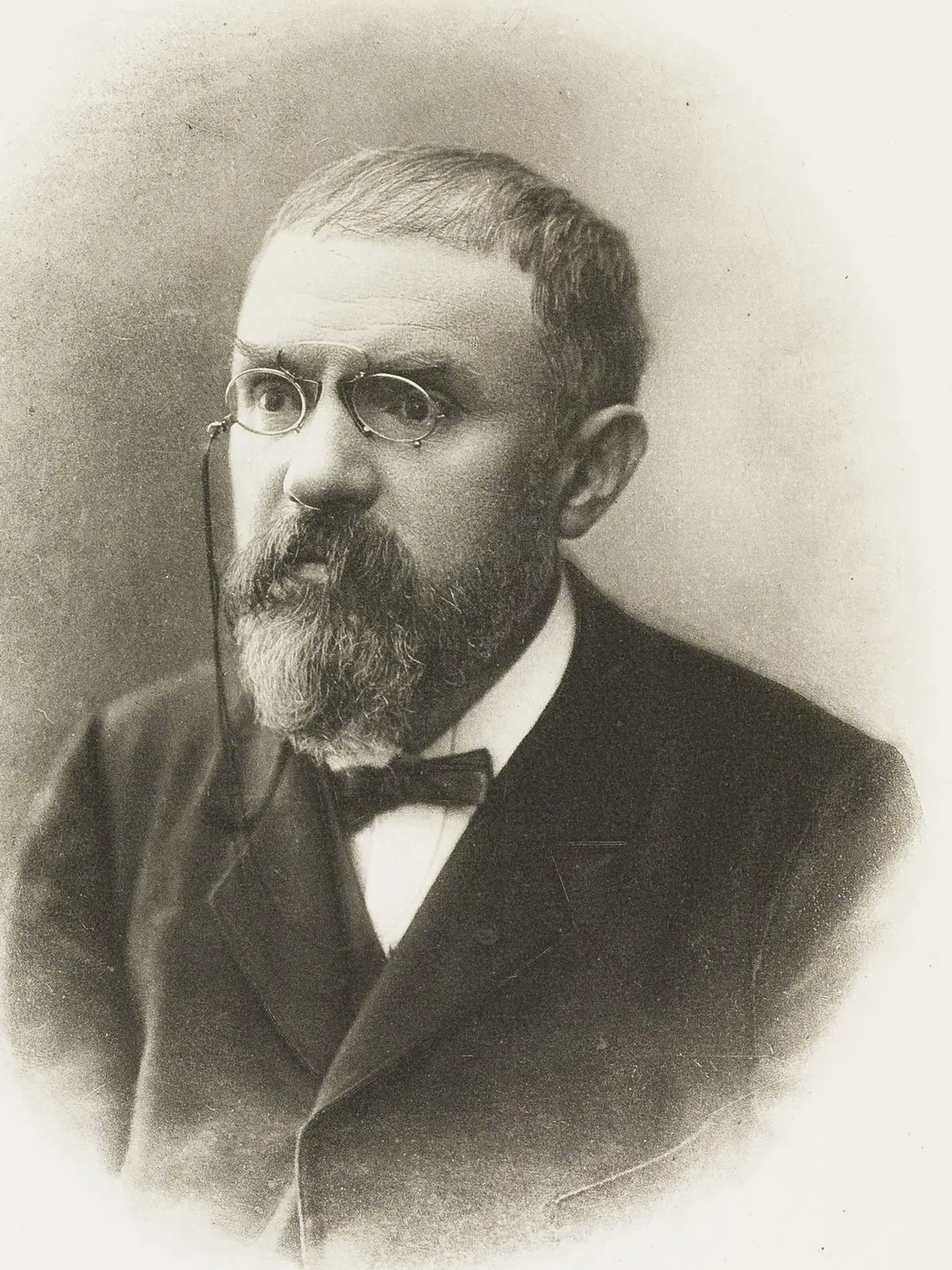
Evidence hub
Creative Minds
Incubation Effect: The Classic Stages Came From Self-Reports
Picture credit
"Henri Poincaré" by Manuel (photograph); Ch. Wittmann (printer) — https://commons.wikimedia.org/wiki/File:Henri_Poincar%C3%A9,_PA03199.jpg — Public domain (Print inscribed “Cliché Manuel” (photograph) and “Imp. Ch. Wittmann” (printer); KU Leuven catalogue dates the printer as active 1891–1907, so the print was published by 1907. US: published before 1931, public domain. EU: photographer counted as Henri Manuel, head of the Manuel studio, d. 1947, so public domain since 2018 (70 years). Not verified: the studio was run by Henri Manuel with his brother Gaston, and the individual photographer is not named; no sign that the Mort pour la France extension applies (Henri Manuel died in 1947, after the war), not checked case by case. Year 1907 is the latest possible date, not a known date. Scan: KU Leuven Libraries print collection, PA03199, uploaded to Commons); modifications: cropped, resized
-

Evidence hub
Influence & Persuasion
Door-in-the-Face and 5 Other Classic Studies: Which Held Up?
Picture credit
Illustration: Feedback & Forgetting. Generated schematic illustration — not a photograph or historical record. © Feedback & Forgetting, all rights reserved.
-
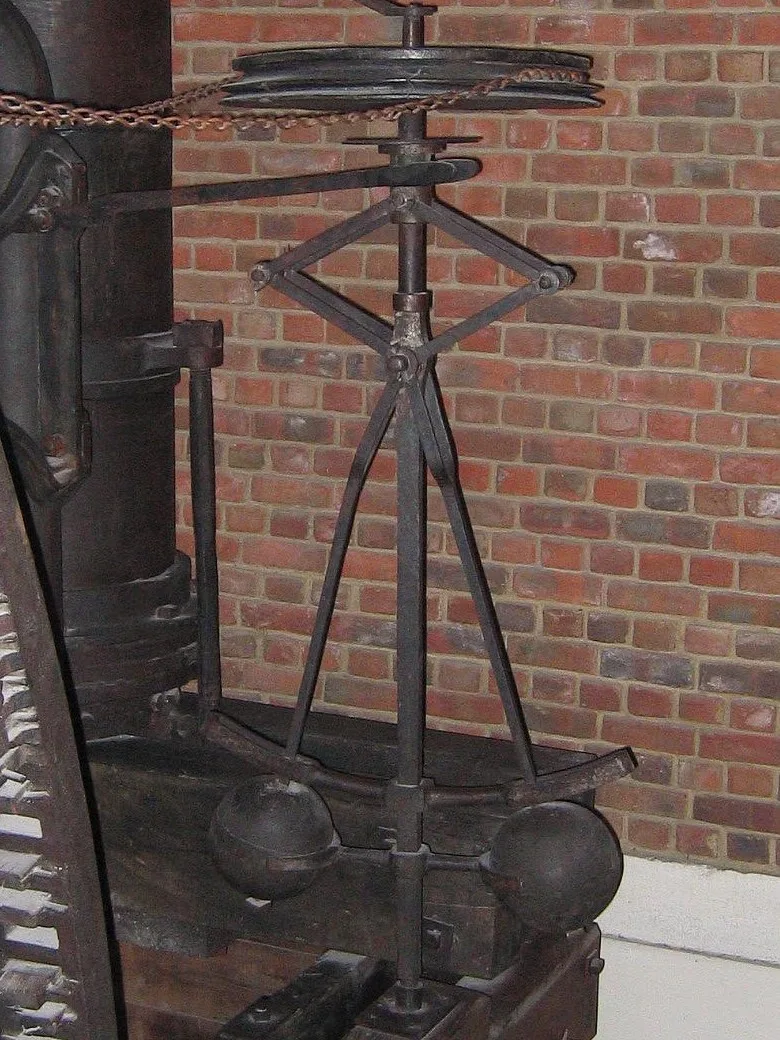
Evidence hub
Systems & Loops
Feedback Loop Examples: Which Ones Have a Test on Record
Picture credit
"Boulton and Watt centrifugal governor" by Andy Dingley — https://commons.wikimedia.org/wiki/File:Boulton_and_Watt_centrifugal_governor.jpg — CC BY 3.0 (https://creativecommons.org/licenses/by/3.0/); modifications: cropped
Latest articles
Newest first.
-
Picture credit
"Zeitschrift fur Psychologie, 1909: Herman Ebbinghaus" by Wellcome Collection — https://commons.wikimedia.org/wiki/File:Zeitschrift_fur_Psychologie,_1909;_Herman_Ebbinghaus._Wellcome_L0003734.jpg — CC BY 4.0 (https://creativecommons.org/licenses/by/4.0/); modifications: cropped mount, padded
-
Picture credit
Illustration: Feedback & Forgetting. Generated schematic illustration — not a photograph or historical record. © Feedback & Forgetting, all rights reserved.
-
Picture credit
Illustration: Feedback & Forgetting. Generated schematic illustration — not a photograph or historical record. © Feedback & Forgetting, all rights reserved.
-
Picture credit
"Henri Poincaré" by Manuel (photograph); Ch. Wittmann (printer) — https://commons.wikimedia.org/wiki/File:Henri_Poincar%C3%A9,_PA03199.jpg — Public domain (Print inscribed “Cliché Manuel” (photograph) and “Imp. Ch. Wittmann” (printer); KU Leuven catalogue dates the printer as active 1891–1907, so the print was published by 1907. US: published before 1931, public domain. EU: photographer counted as Henri Manuel, head of the Manuel studio, d. 1947, so public domain since 2018 (70 years). Not verified: the studio was run by Henri Manuel with his brother Gaston, and the individual photographer is not named; no sign that the Mort pour la France extension applies (Henri Manuel died in 1947, after the war), not checked case by case. Year 1907 is the latest possible date, not a known date. Scan: KU Leuven Libraries print collection, PA03199, uploaded to Commons); modifications: cropped, resized
-
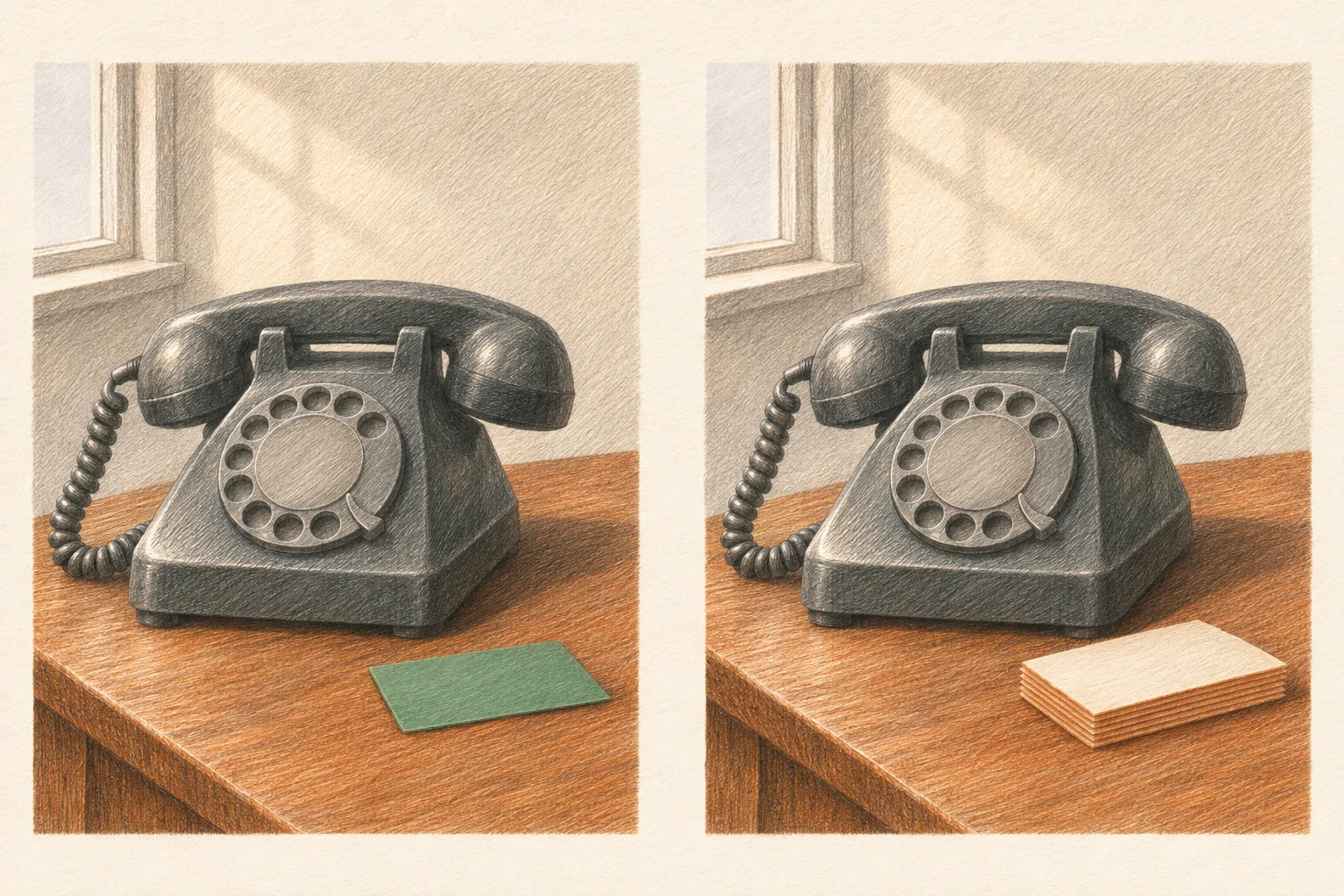
Influence & Persuasion
Foot-in-the-Door Technique: Later Tests Gave Mixed Results
Published 2026-11-06
Picture credit
Illustration: Feedback & Forgetting. Generated schematic illustration — not a photograph or historical record. © Feedback & Forgetting, all rights reserved.
-
Picture credit
"Boulton and Watt centrifugal governor" by Andy Dingley — https://commons.wikimedia.org/wiki/File:Boulton_and_Watt_centrifugal_governor.jpg — CC BY 3.0 (https://creativecommons.org/licenses/by/3.0/); modifications: cropped
-
Picture credit
"Mental Arithmetic. In Public School of S. A. Rachinsky" by Nikolay Bogdanov-Belsky — https://commons.wikimedia.org/wiki/File:Bogdanov-Belsky_Ustny_Schet_(Tretyakov).jpg — Public domain (PD-Art; painter d. 1945 (EU: from 2016; US: published before 1931, per the Commons file page)); modifications: cropped
-
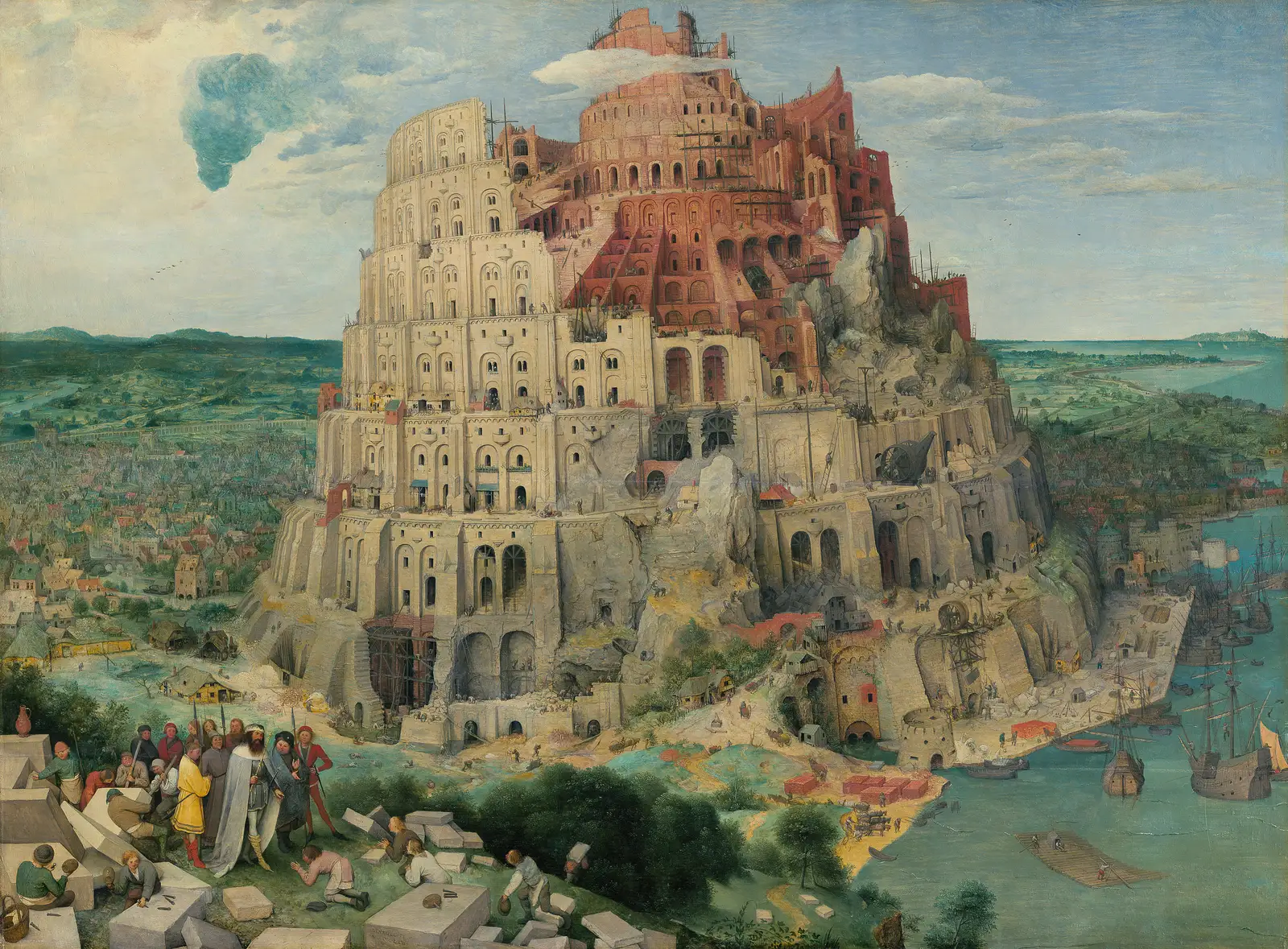
Picture credit
"The Tower of Babel" by Pieter Bruegel the Elder — https://commons.wikimedia.org/wiki/File:Pieter_Bruegel_d._%C3%84.,_Kunsthistorisches_Museum_Wien,_Gem%C3%A4ldegalerie_-_Turmbau_zu_Babel_-_GG_1026_-_Kunsthistorisches_Museum.jpg — Public domain (painter d. 1569; oil on oak panel, 1563, Kunsthistorisches Museum Vienna GG 1026; public domain in the EU (70 years after the author's death) and in the US (published long before 1931); faithful photographic reproduction of a two-dimensional work (PD-Art); photograph supplied by the Kunsthistorisches Museum (file page source field))
Subjects
Five shelves, one method: every claim goes back to its study.
-
Learning & Memory
6 articles
Experimental research on how people learn, remember and build skills, with each claim checked against the replications.
-
Language Minds
3 articles
The psychology of learning a second language: the role of age, what bilingualism does and doesn't change, and what a vocabulary count measures, read study by study.
-
Creative Minds
3 articles
Experiments on creativity and coming up with ideas, read for what was measured and whether the results have held up.
-
Influence & Persuasion
3 articles
Classic persuasion and obedience experiments and how they held up when rerun, taken apart so you can recognize the techniques. Explained, never taught as manipulation.
-
Systems & Loops
3 articles
Feedback loops and counterintuitive behavior in everyday systems you live inside, traced with causal loop diagrams, and famous cautionary stories checked against the record.
Myth Scorecard
Popular claims, and where the evidence left them.
-
A group brainstorming out loud comes up with more ideas than the same number of people working alone.
[status not assigned]
Does Brainstorming Work? In a Review, Talking Groups Had Fewer Ideas
-
Individuals learn better when they receive information in their preferred learning style (e.g., auditory, visual, kinesthetic).
[status not assigned]
-
In colonial India, a bounty on dead cobras led people to breed cobras for the reward, and when the bounty ended they set the snakes loose, leaving more cobras than before.
Source status: later retelling only
-
A learning pyramid gives fixed retention rates for different ways of learning, credited to Edgar Dale or the National Training Laboratories.
Source status: not found
Search the site
Looks through article titles, summaries and subject names on this site. What you type stays on this page.
Search needs JavaScript. Every article is listed on its subject page: Learning & Memory, Language Minds, Creative Minds, Influence & Persuasion, Systems & Loops.
About this site
What this site covers and how it reads the research · Corrections and changed tags